


Winter in Northern Norway
Northern Norway does not have one single winter season. The Northern Lights can be visible from autumn, while dog sledding, snowmobiling and other snow-based activities require suitable winter conditions. Daylight changes rapidly through the season, and coastal destinations can experience very different snow and weather conditions from inland areas.
That means when you travel and where you stay can be just as important as which activity you want to book. A November Northern Lights trip can be excellent without being a reliable snow holiday. January and February are much more suitable if dog sledding, snowmobiling and snowy landscapes are priorities. March combines established winter conditions with much longer daylight.
This guide helps you choose the experiences that fit your dates and build them into a realistic Northern Norway journey.
Quick Links
Winter Planning · Must-Do Experiences · Choose a Destination · When to Go · Winter Itineraries
How to Plan Winter Activities in Northern Norway
Practical Know-How Before You Book. Winter travel in Northern Norway works best when you leave room for weather, daylight, transport and rest. A realistic itinerary is usually better than trying to fit every available activity into the trip.
Don’t Overbook the Day
One Major Activity Is Often Enough
Dog sledding, snowmobiling and longer excursions can take up much of the day once transfers and preparation are included.
A good rule is one major daytime activity plus, if you want, one evening activity.
Check the Real Duration
Include Transfers, Not Just Tour Time
A three-hour experience may take considerably longer once meeting times and transport to and from the activity are included.
Before booking, check the departure time, transfer time and expected return—not just the advertised activity duration.
Protect Your Aurora Evenings
Don’t Plan an Early Start Afterwards
A Northern Lights chase can finish late, particularly when guides travel farther to find clearer skies.
Avoid an important early-morning activity the following day where possible. If the aurora matters to you, schedule your first guided attempt early in your stay.
Use the Daylight Well
Save the Brightest Hours for the Scenery
The useful daylight window can be short in November and December and considerably longer later in winter.
Use the brightest hours for scenic drives, viewpoints, outdoor activities and photography. Museums, restaurants, transfers and saunas are easier to fit around them.
Check Your Actual Dates
Winter Activities Don’t Start Together
Snow, wildlife and marine activities follow different seasons. An activity described as “winter” may not operate throughout the entire Northern Lights season.
This matters particularly in the autumn and early-winter months of September, October and sometimes November, before reliable snow conditions are established.
Book the Priorities First
Secure What You Would Regret Missing
Start with the experiences that really matter to you. Dog sledding, small-group or private tours, limited-capacity experiences, special accommodation and popular holiday departures can justify booking ahead.
Build the rest of your itinerary around those priorities and leave less important sightseeing flexible.
Northern Norway’s Must-Do Winter Experiences
Northern Lights Tours
Join a guided aurora chase, photography tour, cruise or small-group experience beneath the Arctic night sky.
Mobile Northern Lights tours follow local weather and cloud conditions, while fixed-location experiences may include campfires, warm shelters, reindeer, huskies or coastal scenery.
Best destinations: Tromsø, Alta, Narvik, Svolvær
Best for: First-time visitors, photographers, couples and small groups
Dog Sledding
Travel through snowy forests and open Arctic landscapes behind a team of huskies.
Depending on the tour, guests may ride with a guide, help prepare the dogs or drive their own sled under supervision. Most commercial tours provide thermal clothing and introductory instruction, making dog sledding suitable for first-time visitors.
Best destinations: Tromsø, Alta, Narvik
Best for: Families, couples and active beginners
Snowmobiling
Ride across frozen valleys, snow-covered plateaus and Arctic wilderness with an experienced guide.
Most tourist snowmobile tours require no previous experience. Safety instruction, helmets and thermal clothing are normally provided, while drivers need a valid driving licence.
Best destinations: Alta, Tromsø region
Best for: First-time adventurers and travellers seeking a faster-paced activity
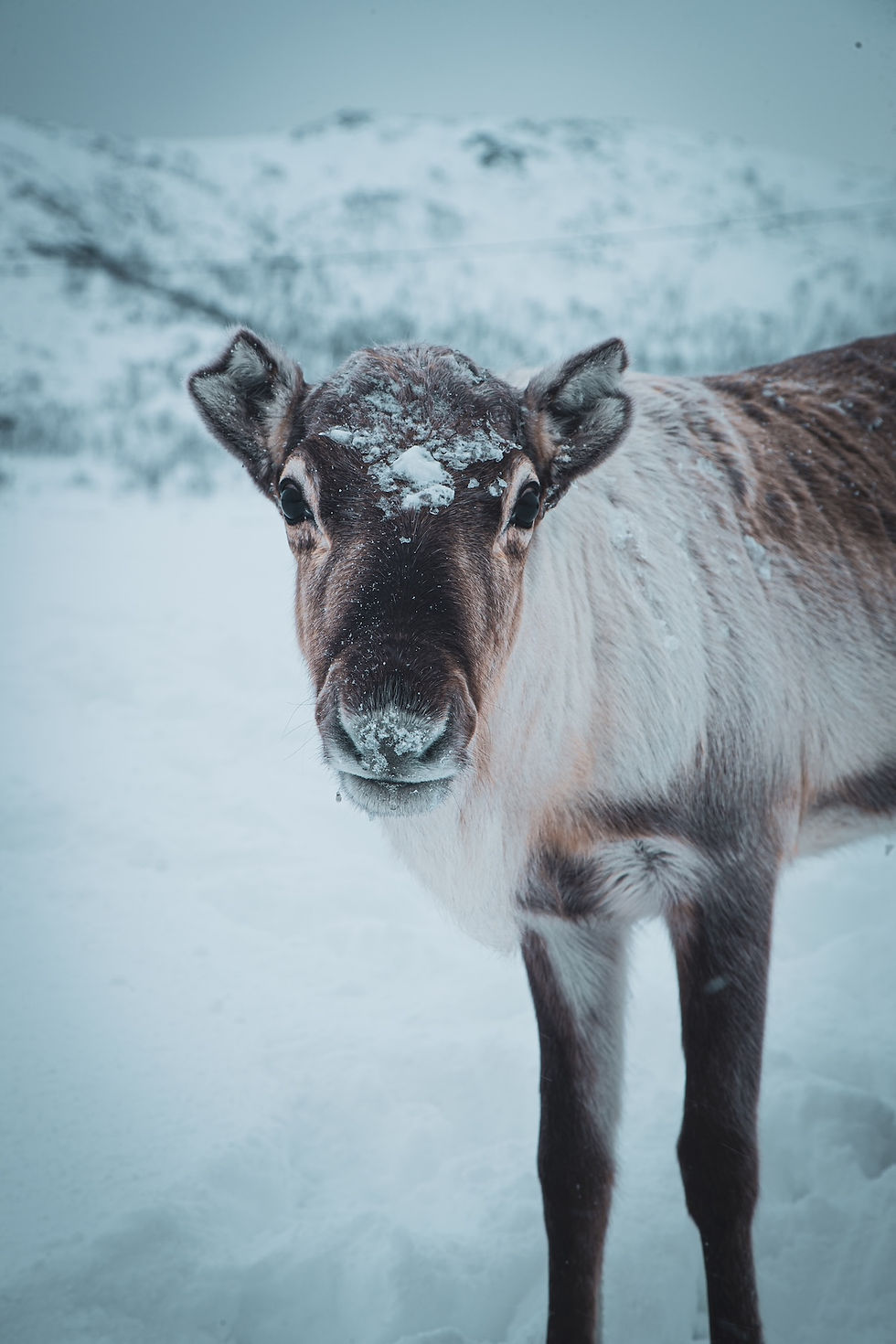
Sámi Culture & Reindeer
Learn about Sámi traditions, reindeer herding, Arctic food and life in the north.
Commercial experiences may include reindeer feeding, short sled rides, storytelling, traditional meals and time inside a heated lavvu. Prioritise experiences led by Sámi hosts or operators with genuine local involvement.
Best for: Families, cultural travellers and first-time visitors
Winter Whale Watching
Search for orcas, humpback whales and other marine wildlife in Northern Norway’s winter waters.
The most important winter whale-watching areas can change with the movement of herring, so departure locations and operating periods vary between seasons.
Main departure area: Tromsø, with tours travelling towards the seasonal whale-watching areas
Best for: Wildlife lovers and photographers
Ice Hotels & Snow Hotels
Step inside rooms, bars and sculptures created from snow and ice—or stay overnight in a thermal sleeping bag surrounded by ice art.
Near Alta, Sorrisniva Igloo Hotel offers one of Northern Norway’s best-known snow-and-ice accommodation experiences.
Best destinations: Alta
Best for: Couples, families, special occasions and bucket-list travellers
Best Winter Activities
by Destination
Tromsø
Best for the widest choice of organised winter tours
Top experiences:
-
Northern Lights chases
-
whale watching
-
dog sledding
-
snowmobiling
-
Sámi and reindeer experiences
-
Arctic Floating
Tromsø has one of Northern Norway’s broadest commercial activity selections and works especially well for first-time visitors.
Alta
Best for snowmobiling, inland snow and ice-hotel experiences
Top experiences:
-
Sorrisniva Igloo Hotel
-
guided snowmobiling
-
dog sledding
-
Sámi culture
-
reindeer experiences
-
Northern Lights tours
Alta combines stable inland winter conditions with easy access to commercially organised Arctic activities.
Narvik
Best for Arctic Train, fjord scenery and beginner-friendly winter adventures
Top experiences:
-
Arctic Train
-
dog sledding
-
Northern Lights tours
-
snowshoeing
-
scenic fjord tours
-
Narvikfjellet sightseeing
Narvik combines coastal mountains with inland valleys and commercially accessible winter activities.
Lofoten
Best for dramatic winter scenery and coastal experiences
Top experiences:
-
Trollfjord and sea-eagle safaris
-
winter fjord cruises
-
fishing trips
-
horseback experiences
-
Viking history
Winter in Lofoten combines aurora, Arctic coastal light and the seasonal cod fishery, with snow and weather conditions varying considerably
Vesterålen
Best for winter wildlife and quieter coastal travel
Top experiences:
-
Northern Lights tours
-
moose safaris
-
fjord cruises
-
coastal culture
-
sauna and wellness
Vesterålen’s winter offer combines aurora, whales, wildlife, local food and less densely visited coastal landscapes.
When to Visit
September–October
Northern Lights + Autumn
Best for:
-
Northern Lights
-
autumn landscapes
-
road trips
-
hiking and photography
-
daytime sightseeing
Do not choose these months if dog sledding, snowmobiling and guaranteed snowy landscapes are essential. October is a transition month. Frost, ice and early snow can occur, but established snow-based activity seasons generally have not begun.
Best for: Aurora + autumn rather than a classic snow holiday.
November–December
Dark Season + Early Winter
Best for:
-
Northern Lights
-
winter atmosphere
-
winter whale watching in relevant areas
-
Polar Night and twilight
November — and sometimes December — can be too early for reliable snow-based sledding in coastal areas. December also gives you very limited daylight.
Best for: Darkness, Northern Lights and winter atmosphere — but check snow-dependent activities carefully

January–March
Classic Arctic Winter
For many first-time winter visitors, this is the easiest period to understand.
Snow activities are more established, Northern Lights evenings remain available and daylight gradually increases after the Polar Night.
This is the main period for combining established snow-based activities with reindeer experiences, winter fjord tours and Northern Lights evenings.
Best for: Northern Lights + snow + broad winter activity choice.

Frequently Asked Winter Planning Questions
Is November a good time for a winter trip to Northern Norway?
Yes for Northern Lights, dark-season atmosphere and some seasonal wildlife experiences. But November is not the safest choice if snow-based activities are essential, particularly in coastal destinations.
What is the best month for Northern Lights and snow activities?
January through March usually offers the strongest overlap between dark aurora evenings and established snow conditions. There is no guarantee of Northern Lights on any particular night.
Should I book dog sledding in advance?
Yes if it is a priority. Popular winter departures can sell out, but always check the operator’s snow-condition and cancellation arrangements for early-season travel.
Do I need a car for a Northern Norway winter holiday?
No. Alta, Tromsø, Narvik and Svolvær can all be used as bases for car-free journeys when public transport is combined with guided activities.
Tromsø or Lofoten in winter?
Choose Tromsø for the widest activity choice and easier organised transport. Choose Lofoten for dramatic coastal scenery, Trollfjord, winter photography and a smaller but distinctive selection of organised activities. Or connect both as part of a longer Northern Norway itinerary.
Plan a Winter Journey Through Northern Norway
A winter journey through Northern Norway can combine several activity bases while keeping travel days realistic. These independent itineraries show how transport, overnight stays and winter experiences can work together across different destinations.

CAR-FREE · YEAR-ROUND ROUTE
8 days · 7 nights
Tromsø → Narvik → Svolvær
Travel from Tromsø to Lofoten by public transport, breaking the journey in Narvik before continuing to Svolvær.
Highlights
Tromsø experiences
Arctic Train & Narvik
3 nights in Svolvær
Scenic overland journey

CAR-FREE · YEAR-ROUND SCENIC ROUTE
7 days · 6 nights
Tromsø → Senja → Harstad → Sortland → Svolvær
Turn the journey to Lofoten into part of the experience, travelling through Senja, Harstad and Vesterålen by boat and Coastal Express.
Highlights
Senja guided excursion
Express boat via Harstad
Vesterålen coastal landscapes
Coastal Express to Lofoten

CAR-FREE · COASTAL JOURNEY
7 days · 6 nights
Evenes → Harstad → Sortland → Svolvær → Evenes
Travel through Harstad, Vesterålen and Lofoten without a car, using airport buses and the Norwegian Coastal Express with guided experiences from each base.
Highlights
Scenic Coastal Express journeys
Harstad, Sortland & Svolvær
Vesterålen wildlife & scenic tours
Lofoten experiences

Plan Your Northern Norway Winter Journey
Winter itineraries require more margin than summer ones.
Activities operate on different seasonal calendars. Daylight changes rapidly through the season, and road or weather conditions can affect travel days. You can use our guides and itineraries to plan independently.
Popular travel guides
Or, if you want help putting the journey together:
Personal Northern Norway Travel Plan
Tell us when you are travelling, what you want to experience and how you prefer to travel. Hinnøya Travel creates a Flexible Travel Framework around your dates, overnight bases, transport preferences and priority experiences — and tells you when the original plan is trying to do too much.